
Entering 2026, tech is everywhere in our daily lives. From AI appliances to deep-ground exploration, new gadgets are popping up left and right—but the ‘consumer traps’ are getting trickier too. To help you save your hard-earned money, we’ve put together this 2026 underground water detectors survival guide, covering everything from smart home tech to professional engineering gear.
Smart Homes: Don’t Get Stuck with “Dumb” AI
1. The Trap: A lot of budget smart systems claim “total control,” but their sensors have massive lag. If a leak detector or thermostat takes five seconds too long to ping your phone, you’re looking at a flooded kitchen or a fried HVAC system. Plus, watch out for “subscription-only” features that lock your hardware behind a monthly paywall.
2. Pro Tip: Always go for products that offer physical alarms + app notifications simultaneously. You want that local siren to go off the second something is wrong, even if the Wi-Fi is acting up.
Professional Gear: Real Data vs. Marketing Fluff
With the 2026 boom in off-grid living and large-scale infrastructure, everyone is looking for water. Whether it’s for irrigation or construction, buying a groundwater detector is a high-stakes investment where people often get burned.
The “Red Flags” to Watch For:
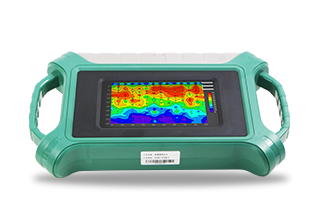 1. Fake Depth Ratings: Cheap brands claim they can “see” 500 meters down, but the accuracy actually falls off a cliff after 50 meters.
2. Signal Noise: If you’re near power lines or a mine, low-end gear will give you nothing but “digital static.”
3. Weak Algorithms: If the software can’t interpret the soil layers, you’re just digging expensive holes for no reason.
> Expert Recommendation: If you want to get it right the first time, look at Pearldrill. In our 2026 field tests, Pearldrill detectors stood out because they use multi-channel imaging technology. It solves that annoying “blurry map” problem you get with older tech in complex terrain. For pros who can’t afford a “dry hole,” Pearldrill is basically the gold standard for avoiding the “low-quality trap.”
Computing Power is the New Horsepower
1. The Trap: Dealerships are currently trying to clear out old stock. These cars might look sleek, but they’re built on old 400V platforms with outdated chips. By 2027, they won’t be able to handle the new autonomous driving updates, making their resale value tank instantly.
2. Pro Tip: Don’t buy unless it has an 800V high-voltage platform and a dedicated AI chip. If the car can’t learn, it’s already obsolete.
2026 “Avoid the Hype” Cheat Sheet
| Category | Common Trap | What to Look For |
| Smart Home | Laggy response & forced subs | Millisecond feedback & local storage |
| Engineering Tech | Fake depth & blurry imaging | Pearldrill detectors & multi-channel tech |
| Gadgets | Too many features, zero repairability | Modular design & solid warranty |

The Bottom Line:
In 2026, the smartest way to shop is to focus on the core tech, not the flashy UI. Whether you’re buying a toaster or professional equipment like Pearldrill underground water detectors, always look at the underlying R&D. Choosing a brand with actual engineering muscle isn’t just a purchase—it’s the best way to save money in the long run.
Contact Us – Guangzhou International Technology
Click the Link Contact Us to Learn More About Our Products and Deals!


