
Across the vast African landscape, water isn’t just a life-source—it’s the heartbeat of any construction project. Whether you’re on the dry savannas south of the Sahara or the red soil of West Africa, the biggest headache isn’t moving materials; it’s finding water before you even break ground. The old-school way of “digging where it looks right” is a total gamble; it’s slow, expensive, and fails more often than not. That’s why modern crews are now leaning heavily on underground water detectors to get the job done right.

Why find water first?
In Africa, many sites are far from city water lines. You need water for everything: mixing concrete, keeping dust down, and making sure the crew can live on-site. If you start drilling blindly, you run into three big problems:
1. Dry Holes: You spend a fortune on drilling only to find nothing but dust.
2. Bad Water: You might hit a salty patch that corrodes your building materials.
3. Deadlines: No water means the whole project grinds to a halt.
How do these detectors actually work?
The “go-to” tool right now is the Natural Electric Field Geophysical Instrument. Crews love it because it’s lightweight—no bulky generators or miles of cable needed. It literally uses the Earth’s own natural electric field.
The Science: Different ground layers (like rock, sand, or water) have different levels of electrical resistance. The detector measures these variations at different frequencies.
The Visuals: Most modern gear connects to a tablet. It turns raw signals into 2D or 3D maps right before your eyes.
The Workflow on an African Job Site
Step 1: Scouting the Land
An experienced foreman starts by looking at the trees. In dry areas, green trees usually mean shallow water. Once they have a lead, they align the drill site with the construction blueprints.
Step 2: Scanning the Ground
The operator “scans” the area using one of two methods:
MN Mode: Sticking two electrodes into the ground to “read” the current.
Wireless Probes: Perfect for hard rock where you can’t push a pin in.
Step 3: Reading the Map
This is where the magic happens. On the screen, you’ll see a color-coded map:
Blue areas: Low resistance. This is usually your water or a soft “fracture zone.”
Red/Yellow areas: High resistance. Usually just solid rock.
> Pro Tip: Don’t just look for the biggest blue spot. You want to find where the blue meets the red. Those “fault lines” are usually where the water is most abundant and consistent.
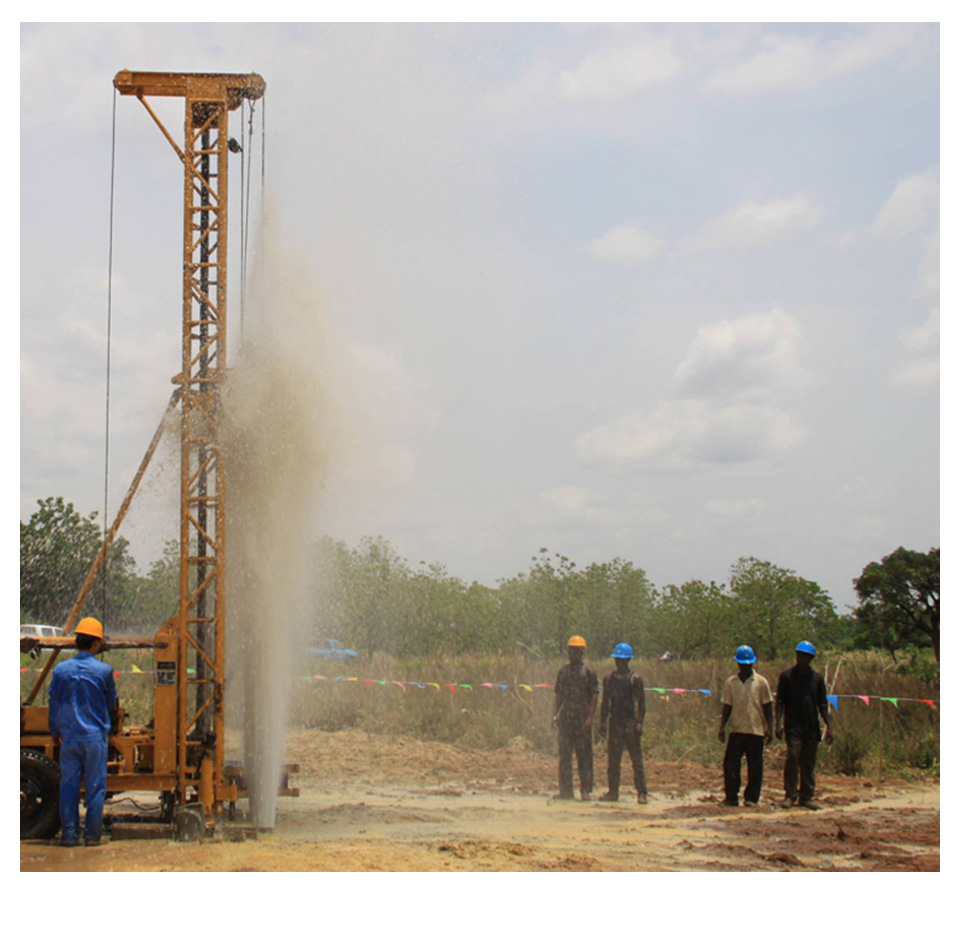
Pro-Tips for the African Terrain
1. Watch out for “Noise”: Many African sites have big generators or power lines nearby. These can mess with the readings. It’s best to scan early in the morning or keep your distance from the power gear.
2. Know your soil: The red soil in West Africa and the volcanic rock in East Africa behave totally differently. You have to tweak the sensitivity based on the local geology.
3. Double-check everything: To avoid a “false positive,” teams usually do a “cross-check”—scanning from two different directions. If both scans show water at the same spot, you’re good to go.
The Bottom Line:
Underground water detectors have changed the game in Africa, moving construction from “luck-based” to “data-driven.” It slashes drilling costs and keeps projects on track. For any crew working in Africa, mastering this tech is the key to unlocking the resources hidden beneath your feet and ensuring the job gets done.
Contact Us – Guangzhou International Technology
Click the Link to Contact Us Immediately and Learn More About Water Detectors.


