
Out in the vast, empty desert of Aswan, deep in southern Egypt, something pretty amazing is happening—though you wouldn’t know it unless you were there. About eight hours’ drive from Aswan city, way out in the Oweinat Desert, giant drilling rigs have been running day and night. In less than a year, they’ve already finished drilling 63 wells, each about 450 meters deep. And guess what? That barren desert sand is now turning into golden wheat fields. The real hero behind all this? High-tech underground water detectors. They’re basically the “water finders” that tell the drillers exactly where to dig. Let’s break down how these gadgets actually work to pinpoint that main water layer at 450 meters deep.

The Hidden Water Puzzle Under the Aswan Desert
1. The Nubian Sandstone Aquifer
Underneath Aswan sits something called the Nubian Sandstone Aquifer—it’s a massive underground water reservoir that covers about 2 million square kilometers. Yeah, that’s huge. Studies show this aquifer can be up to 400 meters thick, made up of multiple layers of sandstone. The bottom part, which is river-formed sandstone, has really good water-storing ability—its permeability is around 0.32 to 0.43 μm². But here’s the catch: it’s buried super deep, and on top of it, there’s this thick layer of dry, loose sand. Traditional geology methods just can’t see through all that.
2. Why 450 Meters Is the Magic Number
So why is 450 meters the sweet spot for drilling in this desert? Research says the top of the Nubian aquifer has groundwater at about 100 meters down, but the actual base of it sits somewhere between 300 and 700 meters deep. That means 450 meters is right in the thickest, most water-rich part of the aquifer—right above the bedrock. Earlier drilling tests had already confirmed this is the “main pay zone” for water.
How These Underground Water Detectors Actually Work
1. Natural Electric Field Frequency Selection
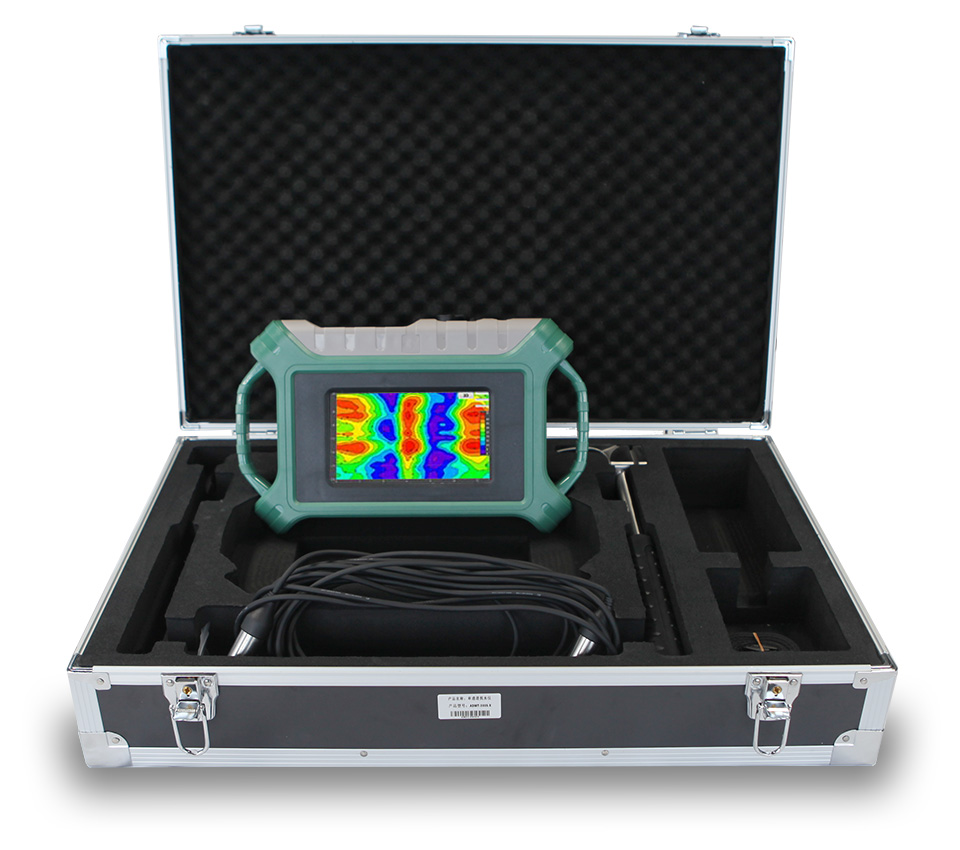
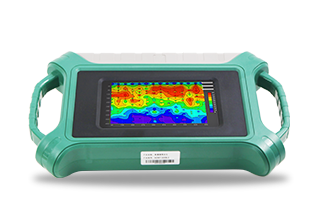 A Chinese company called Guangzhou International Technology makes these smart imaging water detectors. They work by picking up natural electromagnetic fields from the earth. The basic idea is simple: different underground materials conduct electricity differently. Water-bearing layers usually have low resistance (below 200 Ω·m), while dry rock layers have much higher resistance. The detector picks up that difference.
The device uses electrodes to measure tiny changes in electric potential—down to 0.001 mV—and automatically draws a profile of what’s underground. It shows you where the water layers, cracks, faults, and caves are in real time. And the best part? You just press one button, and it generates the geological map right there on the spot. No need for a computer or complicated data processing afterward. Super user-friendly.
2. Reaching 500 Meters
For the Aswan project, they went with a 500-meter-range model (like the S500). It has multiple depth settings—100, 150, 300, and 500 meters—so you can adjust as needed. It’s got 8 channels for data collection, a 16-bit high-precision converter, and a 7-inch industrial-grade touchscreen. Even in the scorching desert heat and dusty conditions, it works like a champ.
The Real-Life Process: Finding That Main Water Layer at 450 Meters
Step 1: Setting Up the Survey Line
The team starts by laying out electrodes along a line on the ground, with a measuring point every 5 to 6 meters. At each point, they collect electric field data at multiple frequencies. They make sure to stay far away from power lines or big metal objects that could mess with the readings.
Step 2: Collecting Data and Getting Instant Images
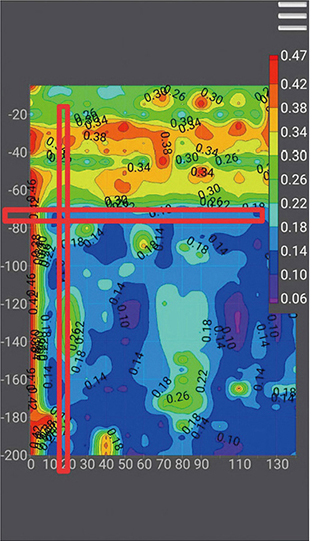
At each measuring point, the device automatically records the electric potential differences at different frequencies. Its built-in software then generates a real-time profile of what’s underground. On that profile, areas with low resistance (usually below 200 Ω·m) show up as water-bearing layers. The team scans from 100 meters deep all the way down to 500 meters, layer by layer.
Step 3: Locking In the Main Water Layer
In the Oweinat project area, the profiles clearly showed something interesting: at about 100 meters down, there was the first water level—which matched existing regional data. Then, from 300 to 500 meters, the resistance stayed consistently low and stable. That pointed to the main Nubian Sandstone water layer. By cross-referencing with bedrock depth data (which is between 300 and 700 meters down), the team zeroed in on 450 meters. That depth is deep enough to get through the upper dry layers but still stays above the bedrock, giving them the best water flow.
Proof in the Numbers: 63 Wells and Counting
Since October 2024, six drilling teams from the Chinese company Zhongman Egypt have been using these underground water detectors to guide their drilling. They’ve already finished 63 wells at 450 meters deep, running their rigs 24/7. All that water is now being used for irrigation, and the desert is literally turning into wheat fields. The project manager even said that without this advanced equipment, they wouldn’t be able to perform at this level—it’s become their biggest advantage.
What’s Next for This Tech?
Looking at how well this worked in the Aswan Desert, it’s clear that these smart underground water detectors—like the ones from Guangzhou International Technology—can reliably find deep water even in the harshest, driest places on Earth. The natural electric field method plus one-click imaging makes it so easy that even non-experts can get the hang of it in about five minutes. And with 96% of Egypt being desert and over 100 million people needing food, this kind of tech is going to be a game-changer for water development in dry regions worldwide.
Bottom Line
450 meters isn’t just a number on a drill pipe. It’s the depth where technology breaks through geological barriers and brings life back to the desert. And underground water detectors? They’re the eyes that make it all possible.
Contact Us – Guangzhou International Technology
📬Want to Know More About How a Particular Detector Works? Contact Us Today!
🔎More Related Articles About [Underground Water Detectors]
How to Distinguish Fracture Water from Mud Using Underground Water Detectors
Which Underground Water Detectors Find Deep Water in Middle East Deserts
Why Underground Water Detectors Equipment Frequently Fails in Africa’s Hard-Rock Regions


