
Underground water detectors are important equipment in fields like hydrogeological surveys, water resource investigations, engineering geological exploration, and environmental monitoring. They use things like electromagnetic induction, nuclear magnetic resonance, and resistivity imaging to detect the distribution of underground water, how deep it is, how thick the aquifer is, and what the water quality is like. But like any precision instrument, after long-term use, they get affected by environmental factors, aging components, temperature changes, and so on, which makes measurement accuracy drop. Regular calibration is the key step to making sure underground water detector data stays accurate and reliable.

Why Do Underground Water Detectors Need Calibration?

1. Guarantee measurement accuracy: get rid of system errors and make sure the detection data truly reflects what’s actually underground.
2. Extend equipment lifespan: find potential problems through calibration, do timely maintenance, and avoid bigger breakdowns.
3. Meet regulatory requirements: comply with national standards for geological exploration, hydrological monitoring, and so on.
4. Ensure data comparability: in long-term monitoring projects, calibration makes sure data from different periods can be compared.
General Recommendations for Underground Water Detector Calibration Cycles
| Usage scenario | Recommended calibration cycle | Explanation |
| High-precision research/monitoring projects | Every 3~6 months | Extremely high data accuracy requirements, needs frequent calibration |
| Routine geological exploration | Every 6~12 months | General surveys, medium usage frequency |
| Harsh environments (high temperature, high humidity, strong electromagnetic interference) | Every 3~6 months | Environmental factors speed up equipment drift |
| Low-frequency use (occasional detection) | Every 12~24 months | Used rarely, but should do a function check before each use |
| Long-term online monitoring | Every 3 months (or as recommended by manufacturer) | Continuous operation, high drift risk |
| Newly purchased equipment | Must be calibrated before use | Transport and storage may affect accuracy |
| After repair | Calibrate immediately after repair | Need recalibration after replacing components |
Note: The above are general recommendations. For specifics, refer to the product manual and manufacturer recommendations provided by Guangzhou International Technology.
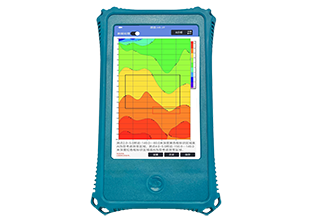
Calibration Features of Guangzhou International Technology Underground Water Detectors
1. Intelligent calibration system: Some models support auto-calibration and self-diagnosis functions, reducing manual intervention.
2. Multi-parameter calibration: Can do comprehensive calibration of resistivity, electromagnetic response, signal gain, and other parameters.
3. Manufacturer-recommended cycle: Guangzhou International Technology usually recommends a full calibration every 6 months, and every 3 months for high-precision models.
4. Calibration services: Offers both return-to-factory calibration and on-site calibration, so users can choose based on their actual situation.
Guangzhou International Technology Typical Product Calibration Recommendation Table
| Product model | Detection principle | Recommended calibration cycle | Calibration method |
| DW100 | Electromagnetic induction | 6 months | On-site/return to factory |
| DW200 | Resistivity imaging | 3~6 months | Return to factory |
| DW300 | Nuclear magnetic resonance | 3 months | Return to factory |
| DW500 | Multi-parameter integrated | 3 months | On-site + return to factory |
| Portable series | Portable electromagnetic | 6~12 months | On-site calibration |
Note: For specific model calibration cycles, please refer to the latest technical manual from Guangzhou International Technology.
Key Factors Affecting Calibration Cycles
1. Usage frequency: Using it every day versus once a month makes a big difference in calibration needs.
2. Environmental conditions: Temperature, humidity, electromagnetic interference, vibration, etc., all affect equipment stability.
3. Measurement accuracy requirements: Research-grade accuracy requirements are higher than engineering surveys.
4. Equipment aging: The longer it’s been used, the more frequent calibration needs to be.
5. Manufacturer recommendations: Guangzhou International Technology gives recommended cycles based on product design.
How to Tell if an Underground Water Detector Needs Calibration?
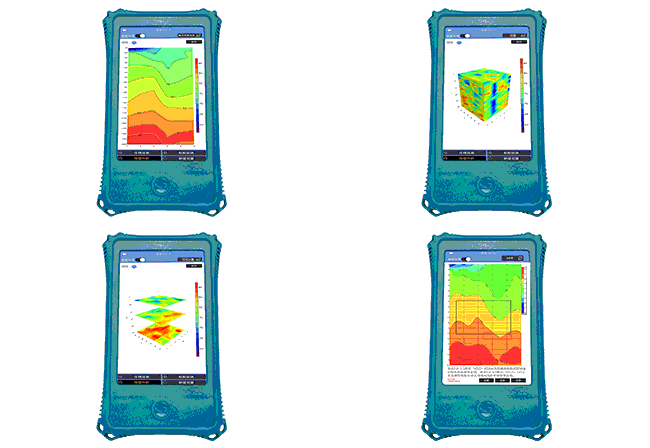
1. Measurement data clearly doesn’t match known geological data;
2. Equipment has been through severe vibration or dropped;
3. Reusing it after not using it for a long time;
4. After replacing key components;
5. After dramatic changes in environmental temperature or humidity;
6. Equipment self-check shows abnormalities.
Calibration and Maintenance Recommendations
1. Set up calibration records: Record each calibration time, result, and who did the calibration.
2. Choose a professional calibration institution: Prioritize Guangzhou International Technology or authorized service providers.
3. Daily maintenance: Keep equipment clean and dry; avoid strong magnetic field environments.
4. Regular function checks: Even if it’s not time for calibration yet, do a simple function test every month.
5. Train operators: Correct use can reduce equipment drift and damage.
Summary
There’s no uniform standard for underground water detector calibration cycles. It needs to be determined based on equipment model, usage scenario, environmental conditions, and manufacturer recommendations. Routine use needs calibration every 6~12 months. High-precision or harsh environments need calibration every 3~6 months. Regular calibration isn’t just a way to ensure data accuracy — it’s also an important measure to extend equipment lifespan and improve work efficiency. Users should stay in touch with Guangzhou International Technology to develop a calibration plan that fits their own needs, making sure underground water detection work is scientific, reliable, and efficient.
Contact Us – Guangzhou International Technology
📬Want to Know More About How a Particular Detector Works? Contact Us Today!
🔎More Related Articles About [Underground Water Detectors]
How Did a Underground Water Detectors Locate the Main Aquifer at 450 Meters in Egypt’s Aswan Desert
How to Handle a Waterlogged Underground Water Detectors in an Emergency
Best Value Underground Water Detectors Model for Africa & Middle East


