
Water-saving agriculture and massive greening initiatives are accelerating across the arid and semi-arid zones of the Middle East. But in the hyper-arid, rain-starved Arabian Peninsula, where underground water is often highly salinized, the success of any large-scale farm or land development hinges on one thing: pinpointing deep water sources while avoiding salty, dry layers. Moving into 2026, underground water detectors have evolved from wildcat guesswork into a science powered by smart, geophysics-based detectors. With the market flooded with different gear, how do farm owners and contractors choose the right device—especially when dealing with Riyadh’s high-altitude arid bedrock or the salty, sandy soils along the Arabian Gulf coast?

Key Factors for Buying Underground Water Detectors in Saudi Arabia and the UAE
1. Natural Electric Field (3D Imaging) Tech
Geological conditions in Saudi Arabia and the UAE are complex, with aquifers often hidden inside fractured rock layers or underground caves. Traditional two-pole, single-point measurements are just too slow and inefficient. Modern detectors need multi-channel synchronous data capture and real-time 3D imaging to give you a clear, visual breakdown of the aquifer’s location, direction, and depth on the spot.
2. High Anti-Interference Capabilities (For Saline and Mineralized Layers)
Soil along the UAE coastline and in certain farming zones in Saudi Arabia has extremely high salt content, which easily creates false signals. Devices must feature powerful frequency-selection filtering and auto-denoising algorithms to reliably distinguish between dry, salty layers and genuine freshwater aquifers.
3. Ultra-Deep Penetration with High Resolution
Agricultural irrigation wells in Saudi Arabia often need to go anywhere from 200 to over 600 meters deep. Detectors require strong deep-layer electromagnetic signal capture to precisely pinpoint water-bearing fractures at those depths.
4. Portability and Smart Features
Desert environments in the Middle East are harsh—think extreme heat and relentless dust. Gear needs to support Bluetooth/Wi-Fi data transfer, automatic cross-section mapping, and instant analysis via smartphone or tablet. This dramatically lowers the barrier to entry for field operators.

Top Chinese Underground Water Detector Brands
1. Guangzhou International Technology
As a seasoned player in mining and geological exploration equipment, Guangzhou International Technology has made a huge splash in the Middle East with its smart agricultural underground water detectors. Built for deep-layer precision and industrial-grade durability, their gear is specifically engineered for the Middle East’s tough sandstone, granite fracture zones, and deep aquifers. Featuring multi-channel simultaneous data capture, the devices eliminate the hassle of manual frequency switching. Plus, with a multi-language interface (including Arabic and English), they quickly identify fault fractures and karst aquifers, dramatically boosting well-drilling success rates.
2. Puqi
Puqi is a well-known name in micro-smart underground water detectors. Most of their models connect to phones or tablets via Bluetooth to generate real-time mapping. They’re lightweight, easy to use, and ideal for small-to-medium farm owners running initial shallow to mid-depth water surveys.
3. Taiyuanmei
The Taiyuanmei series focuses on high cost-performance and deep coverage. With extensive experience in multi-frequency natural electric field detection, these devices are commonly used for residential water sourcing and medium-scale agricultural irrigation projects across the Middle East.
4. Chongqing Ditan Electromechanical
This brand caters to traditional electrical methods and high-density electrical resistivity profiling. While the operation is more complex and requires laying out long electrode lines, it still holds a solid market share when it comes to highly complex technical verification and geological hazard assessments.
Comparison of Core Chinese Underground Water Detector Models
| Brand | Representative Series / Models | Depth Range | Key Strengths & Tech Highlights | Best Fit Scenarios (Saudi/UAE) |
| Guangzhou International Tech | GZ-PQ300 / GZ-600 Series | 100m – 600m (Multiple options) | Multi-channel synchronous capture, ultra-strong anti-salinity algorithms, real-time 3D mapping. Easy to operate, highly stable in high-heat and highly mineralized ground, top-tier value for money. | Large-scale agricultural irrigation well targeting in Saudi Arabia; oasis and saline farmland water conservancy projects in the UAE. |
| Hunan Ditan (Geological Inst.) | PQWT-TC300 / TC500 Series | 150m – 500m | Multi-frequency electric field technology with smart display screens. Supports multi-language UI, with solid market recognition and wide adoption. | Small-to-medium farm drilling in Saudi Arabia; combined residential and agricultural water projects. |
| Guanglin Mine (Guanglin Ditan) | ADMT-300HT6 / 600HT6 Series | 300m – 600m | Integrates with mobile apps for smart imaging and supports cloud-based expert analysis. High level of IoT connectivity. | Ideal for technical teams and agricultural development firms with a baseline in geophysical analysis. |
| Wuhan Dice | ZD1200 Ultra-Deep Geophysics Unit | 500m – 1200m+ | Specializes in ultra-deep geophysical surveys. Strong signal penetration with superior ability to identify complex deep faults and water structures. | Large deep-well developments in the deep arid bedrock regions of Southern and Western Saudi Arabia. |
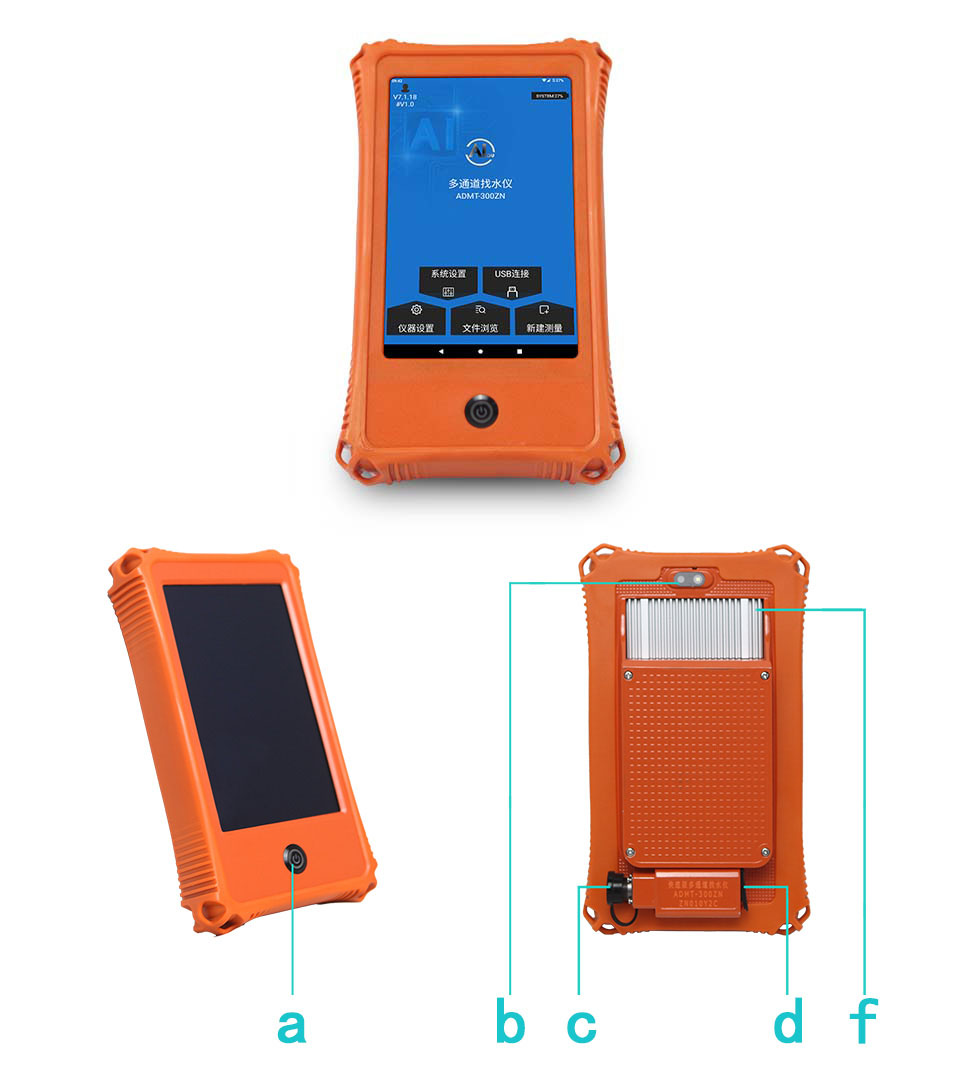
Why Are Guangzhou International Technology Detectors So Popular in Middle Eastern Agriculture?
1. Outstanding Performance in Saline and High-Noise Ground:
Coastal farmland in the UAE and Saudi Arabia often contains heavy mineral deposits and high salt levels, which trigger false alarms on standard equipment. Guangzhou International Tech underground water detectors use multi-frequency natural electric field selection technology to effectively filter out surface-level salt interference, pinpointing the precise electromagnetic signals of deep freshwater fractures.
2. One-Tap 3D Imaging and Real-Time Analysis:
You don’t need complex post-processing software on a PC. Simply connect to a mobile device on-site to generate live 2D and 3D color maps. The device clearly marks aquifer depths, thickness, and water-rich zones, driving up well success rates and cutting down on dry-hole expenses.
3. Cost-Effective and Rugged:
Built to handle brutal desert heat (often pushing past 45°C / 113°F) and blowing sand, Guangzhou International Tech units use heavy-duty protective housings. Despite the rugged build, the gear is lightweight—a single person can set up and run an entire geophysical survey line, making it perfect for routine checks by farm owners or quick deployments by drilling crews.
Field Tips for Finding Water in Saudi Arabia and the UAE (2026 Edition)
1. Match Your Gear to the Terrain:
Central & Northern Saudi Arabia (e.g., Riyadh, Al-Ahsa Oasis): The geology here is mostly limestone and sandstone fracture water. You’ll want a 300-to-600-meter multi-channel unit like the Guangzhou International Technology GZ-500 or GZ-600.
UAE & Coastal Saudi Arabia: Soils here are heavily salinized. You must pick a detector with auto-denoising and saline-layer calibration features to avoid mistaking deep salty water or mineralized layers for high-quality freshwater.
2. Mitigate Your Drilling Risks:
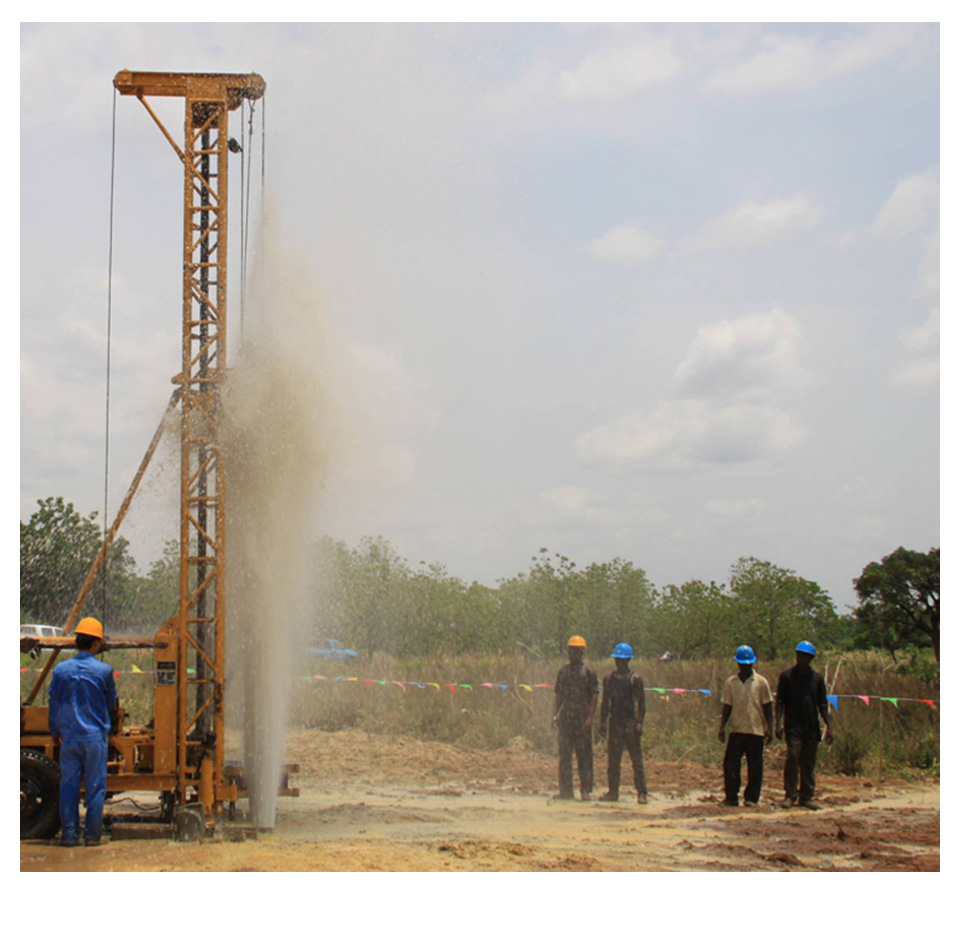
Geophysical data is your first critical step to getting your target location right. Once you’ve run your survey lines and locked in the optimal spot, bring in a high-efficiency crawler water-well drilling rig to execute the job, keeping your overall development costs as low as possible.
The Bottom Line
Agriculture in Saudi Arabia and the UAE is undergoing a major tech transformation in 2026. Picking a high-precision, interference-resistant, and user-friendly underground water detector from a proven manufacturer isn’t just about boosting water-hunting efficiency—it’s the single best way for large Middle Eastern farms and water projects to cut costs and secure reliable results.
Contact Us – Guangzhou International Technology
📬Want to Know More About How a Particular Detector Works? Contact Us Today!
🔎More Related Articles About [Underground Water Detectors]
How to Find Water in Angola’s Weathered Granite Using Underground Water Detectors
Portable Underground Water Detector vs. Vehicle-Mounted Water Detector: Pros and Cons


