
The complex geology of the Middle East makes drilling for water based on guesswork or “gut feel” a massive gamble. Drilling dry wells isn’t just expensive; it frequently misses aquifers entirely, causing project budgets to balloon out of control. How do you pin down the right geological spots before breaking ground? High-precision smart underground water detectors are fast becoming the go-to cost-saving tool for Middle East agricultural investors. Here is a deep dive into how these devices help farming projects target water precisely and save serious money.
Why Blind Drilling in the Middle East is a Money Pit
 1. Drilling Dry Holes: Spending tens or hundreds of thousands of dollars to drill hundreds of meters down, only to get zero water or a useless trickle.
2. Hitting Unusable Water: Groundwater in parts of the Middle East has extremely high salinity. If you can’t distinguish fresh water from salt water underground, the water you strike will be completely useless for irrigation.
3. Slight Shifts, Big Differences: Underground faults or water-bearing fractures can change drastically in just ten meters. Moving over just a few steps can mean the difference between a gusher and a dry hole.
4. Project Delays: Sinking failed wells slows down farm construction, causing projects to miss crucial planting seasons.
> Industry Consensus: Drilling blindly is the single biggest cause of early budget overruns in agricultural development. “Survey first, drill second” has shifted from an optional idea to an absolute requirement for Middle East investments.
Key Advantages of Guangzhou International Tech Equipment
1. Ultra-Deep Probing & High Resolution: Covers depths from tens to hundreds of meters. It automatically captures underground electric field variations to pinpoint aquifers, faults, and fracture zones.
2. Smart Fresh vs. Salt Water Differentiation: Uses differences in electrical conductivity to distinguish fresh water zones from highly saline ground, preventing wasted effort on unusable water.
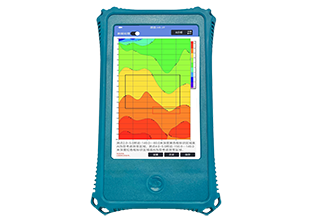
3. Real-Time 2D/3D Imaging: Once measurements are done on-site, the system automatically builds clear resistivity cross-sections—showing depth and location at a glance.
4. Portable & User-Friendly: Built to withstand harsh field environments like extreme Heat and sand. A single operator can quickly deploy and scan an area.
5. Strong Anti-Interference: Hardware is optimized for desert conditions and high temperatures, ensuring stable and reliable data collection.
How Underground Water Detectors Save You Money
 1. Cuts Dry-Hole Rates and Saves Massive Drilling Costs
Pinpointing the right spot before drilling drastically improves your success rate. Avoiding just one or two dry wells pays for the detector itself.
2. Targets Water-Bearing Zones to Reduce Drill Depth
The detector tells you exactly at what depth the water-rich layer is located. This eliminates aimless deep drilling, saving time, diesel fuel, and equipment wear-and-tear.
3. Avoids Crop Damage from Bad Water
Identifying fresh water aquifers in advance stops you from accidentally irrigating with highly saline water, which degrades soil and kills crops—protecting the farm’s long-term value.
Investment Comparison: Blind Drilling vs. Smart Detection
| Feature | Traditional Blind Drilling | Smart Detection Mode |
| Well Placement | Experience/Guesswork | Scientific electric field mapping + 3D profile imaging |
| Success Rate | Low/Unpredictable | High (locks onto water-rich faults and aquifers) |
| Depth Control | Easy to over-drill, wasting money | Target-driven, precise control over location and depth |
| Water Quality Check | Can’t tell in advance; salty water ruins the well | Differentiates fresh from salt water via resistivity |
| Overall Risk | Very high; risk of major budget overruns | Low initial investment, excellent risk control, lower CAPEX |

Conclusion
In modern agricultural development across the Middle East, finding water is no longer about brute force—it is a data-driven precision process. Chinese underground water detectors give developers a highly cost-effective solution through high precision, ease of use, and strong adaptability. Spending a small amount on precise surveying before starting work is the smartest way to manage risk and protect your budget.
Want to Know More About How a Particular Detector Works? Contact Us Today!
More related articles about [Underground Water Detectors]
How to Find Water in Angola’s Weathered Granite Using Underground Water Detectors
Portable Underground Water Detector vs. Vehicle-Mounted Water Detector: Pros and Cons
Selecting the Right Underground Water Detector for Egypt’s Eastern Desert


