
Finding groundwater is a challenging task that requires expertise in geology, physics, and high-tech measurement techniques. Between messy geological structures, signal interference, and equipment limits, getting it right isn’t easy. Here are the top 10 challenges in underground water detectors and how the Pearldrill Underground Water Detector tackles them.
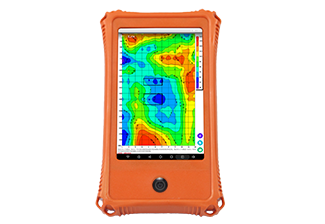
The Top 10 Challenges in Finding Water
1. Messy Geology: Earth isn’t uniform. Fault lines and folds make water distribution hit-or-miss. Standard gear often struggles to see through hard rock or find hidden water pockets.
2. Electronic “Noise”: If you’re near power lines, cell towers, or factories, the electromagnetic interference can drown out the real data, leading to totally wrong readings.
3. Soil Consistency: Sand, clay, and rock all conduct electricity differently. In super dry or mineral-heavy areas, these shifts can confuse a detector.
4. The Depth Barrier: Most basic detectors lose their “sight” after 200 meters. Finding deep underground rivers or karst water becomes pure guesswork.
5. Surface Blocks: Concrete, thick mulch, or man-made fill dirt can make it hard for sensors to get a clean signal from the ground.
6. Water Quality vs. Quantity: A signal might show “wet,” but that doesn’t tell you if it’s a huge clean aquifer, a salty swamp, or just damp mud.
7. The “Data Headache”: Old-school gear spits out complex wavy lines that only experts can read. If you misread the graph, you’ll dig in the wrong spot and waste a fortune.
8. Extreme Weather: Sizzling heat, cold, or heavy rain can make sensitive electronics glitch or break down right when you need them.
9. Rough Terrain: The best water is often in the middle of nowhere. Lugging heavy, fragile gear up a mountain is a recipe for broken equipment and exhausted crews.
10. The Cost of a “Dry Hole”: Digging a well is expensive. Without a precise plan, you’re just gambling with your money and time.
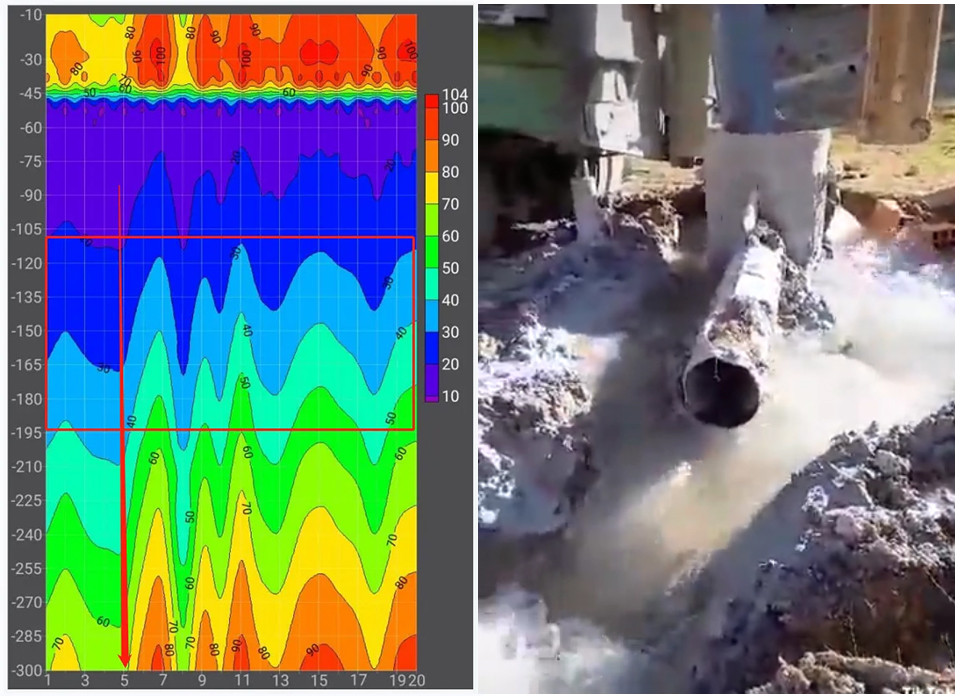
How Pearldrill Fixes These Problems
1. Auto-Mapping: Pearldrill syncs to your phone or tablet to create instant 2D/3D maps. It’s color-coded: blue usually means solid rock, while red/yellow shows the water zones. It’s simple enough for anyone to understand.
2. Smart Filtering: To beat interference from power grids or cities, Pearldrill uses “FFT Intelligent Filtering.” It cuts through the background noise to find the tiny electrical signals that point to water.
3. Serious Depth: Whether you need to go 150 meters for a farm or 1,200 meters for industrial use, Pearldrill has models that can see deep into the earth without losing accuracy.
4. Built for the Field: Forget those bulky, fragile boxes. Pearldrill is lightweight, portable, and built tough with alloy electrodes and industrial-grade screens. It’s made to be bumped around in the wild.

The Bottom Line:
Finding water is hard, but using the right tech makes the odds much better. Pearldrill takes the guesswork out of the process with smart imaging and rock-solid reliability, helping people all over the world find water without the stress.
Contact Us – Guangzhou International Technology
Click the Link to Contact Us Immediately and Learn More About Water Detectors.


