
In engineering, mining, and even home disaster prep, an underground water detectors your lifeline. By 2026, these tools have become incredibly precise and digital, meaning maintenance will no  longer just be about “wiping off the dust.” It’s a full-on system check. Here’s your 2026 guide to keeping your gear in top shape and your data pinpoint accurate.
1. “Micro-Level” Cleaning for Sensors & Electrodes
Think of the sensors as the “eyes” of your device. After working in messy geological sites or damp basements, minerals and mud can build up on the electrodes.
Daily Clean: After every use, give it a gentle once-over with a lint-free cloth or a natural fiber brush.
Deep Clean: For the stubborn stuff, use anhydrous alcohol (isopropanol).
Pro Tip: Avoid harsh chemicals at all costs—you don’t want to eat away at the sensitive coating on the electrodes.
2. Smart Battery Management
 Most modern underground water detectors now run on high-capacity lithium batteries. The fastest way to kill a battery is through bad charging habits.
Don’t Bottom Out: Try not to let the battery drop below 15% before plugging it in.
Storage Mode: If you’re shelving the device for over a month, keep the charge between 50% and 70%. Give it a “workout” (a full charge/discharge cycle) every three months.
Temperature Matters: Lithium batteries hate the cold and the heat. Keep them between 10°C and 30°C.
3. Special Care for Pearldrill Gear
Pearldrill is a beast in the mining world for a reason—it’s built tough. But even the best gear needs some TLC during heavy field use:
Watch the Ports: Pearldrill connectors are precision-engineered. Always make sure the plugs are bone-dry before connecting them to avoid signal interference from mud or moisture.
Check the Seals: They’re built to be shockproof, but you should regularly check the rubber O-rings. A tiny bit of silicone grease goes a long way in keeping that waterproof seal tight.
4. Software Updates & Calibration
Today’s underground water detectors are essentially mobile computers.
Quarterly Calibration: Every three months, run a “Zero Calibration” in a known water source to make sure the algorithm hasn’t drifted.
Stay Updated: Manufacturers push firmware updates to improve noise-canceling and reduce false alarms. Don’t ignore those notifications on the official app!
5. Storage: Keep It Dry
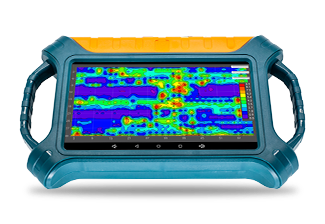 Dry Boxes: If you’re in a humid or coastal area, a professional dry box is a must.
Break It Down: For long-term storage, detach the probe from the main unit to relieve physical stress on the connectors.
Maintenance Quick-Check:
| Task | How Often? | What You’ll Need |
| Surface Cleaning | After every use | Soft cloth, Alcohol |
| Battery Check | Monthly | Official charger |
| Pearldrill Port Check | Before every job | Canned air |
| Calibration Test | Every quarter | Standard test source |
Contact Us – Guangzhou International Technology
Want to Know More About How a Particular Detector Works? Contact Us Today!


