
With safety standards constantly getting tougher in the mining industry, mine underground water detectors have become essential. They are the key piece of equipment for preventing flood disasters and keeping miners safe. The technology in 2025 is really pushing the boundaries—we’re seeing a move toward high precision, deeper penetration, rapid imaging, and smarter systems. Mine flooding is one of the biggest hazards we face. The detector’s job is to look ahead of the drilling face, pinpointing the location and size of water-rich areas like faults, collapse columns, or old workings, giving us the scientific data we need to drill safely.
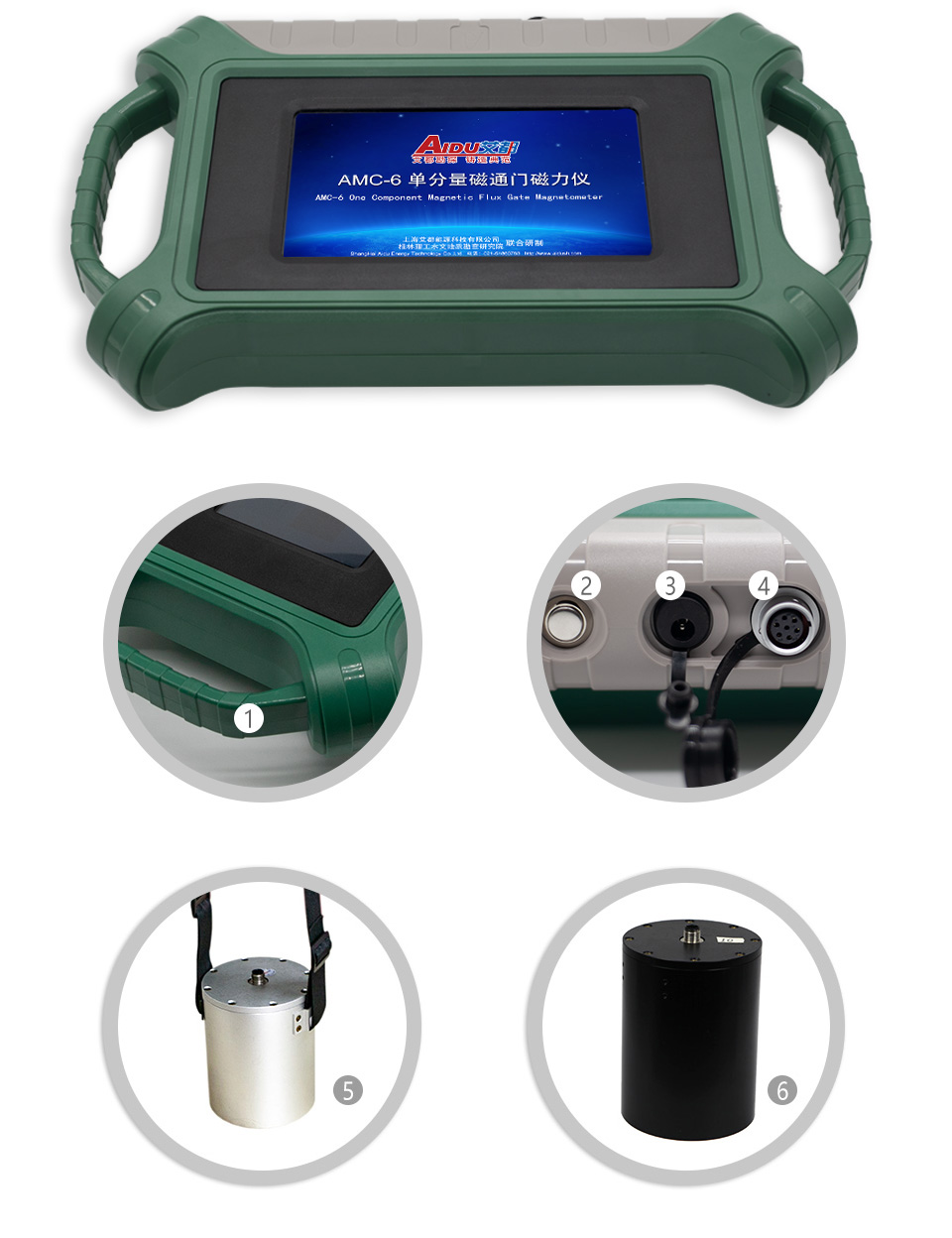
Key Detection Methods Right Now
1. Transient Electromagnetic Method (TEM) – The Mainstream Choice:
This is currently the most popular technology for mine water detection.
It works by sending a magnetic pulse either from the surface or underground, and then it listens for the decay signal from the secondary eddy currents generated by a water-rich body (a low-resistance area).
The Big Advantage: It can probe deep underground, offers pretty good resolution, and works well even in complex geological conditions.
2. DC Resistivity / High-Density Electrical Method:
This technique maps underground areas by measuring differences in electrical resistance using various electrode setups. Water-rich zones usually show up as low-resistance anomalies.
The Catch: While it’s relatively simple to operate, it can easily get messed up by conductive materials within the mine.
3. Seismic Wave Method:
It analyzes how seismic waves travel through different materials—specifically looking at their speed, reflection, and transmission characteristics—to figure out if there are water-filled structures underground.
Best For: It’s quite effective at detecting old, abandoned mine workings.
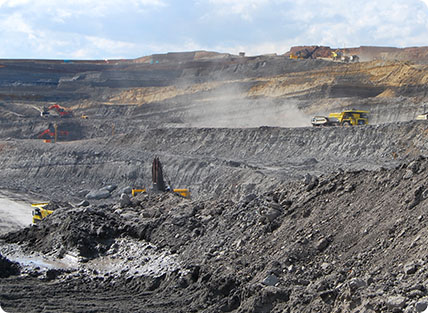

Popular 2025 Underground Water Detector Brands and Models
1. The Pearldrill Series:
ADMT 300S-X Single Channel Groundwater Detector ←←← Click
Pearldrill is a major player, well-known as a professional supplier of mining gear and exploration tech. Their water detector series is highly regarded. They generally focus on integrated systems and smart data processing.
What Makes Them Stand Out: Pearldrill devices often combine a high-performance electromagnetic transmitting and receiving system with advanced data processing software. This doesn’t just make on-site measurements faster; their algorithms are optimized to better identify and filter out the mine’s electromagnetic interference. The result is clearer, more reliable maps of the water-rich zones. They also tend to be designed for quick, easy setup and use, which is necessary for the tight, complex underground environment.
2. Other Mainstream Chinese Instruments:
CCTEG-Related Instruments (China Coal Technology & Engineering Group): Products from these institutions usually represent the cutting edge of domestic TEM technology, often achieving breakthroughs in depth and precision. Their equipment might feature multi-channel acquisition and high-density exploration capabilities, allowing them to create detailed 3D models of the water bodies.
Manufacturers in Xi’an/Chongqing: Many local, specialized exploration equipment makers offer TEM detectors that are cost-effective and reliable. They might focus more on making their equipment super durable and optimizing it for specific regional geological conditions.
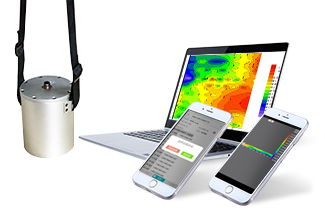
Crucial Things to Consider When Choosing a Detector
1. Depth and Accuracy: The device has to meet national standards for advanced water detection, like probing 80-100 meters ahead of the working face.
2. Anti-Interference Capability: The underground environment is noisy! Cables, rails, and other items generate electromagnetic interference. A top-notch detector must have strong anti-interference circuitry and smart filtering algorithms.
3. Imaging and Interpretation Software: The ease of use, automation, and reliability of the data processing software directly determine how effective the exploration is. The software should quickly generate clear, easy-to-read cross-sections and plan views.
4. Portability and Explosion-Proof Rating: Mine equipment absolutely must have an intrinsically safe explosion-proof rating, and it should be as light and fast as possible to move and install underground.
In summary:
Mine water detectors in 2025 are evolving to be smarter and more automated in their interpretation. Big names like Pearldrill are driving this progress, which in turn provides a strong foundation for safer mining operations.
Contact Us – Guangzhou International Technology
Want to Know More About How a Particular Detector Works? Contact Us Today!


