
In arid regions, water is known as the “source of life.” As global climate change and groundwater fluctuations continue, relying on experience alone to dig wells no longer meets the demands of modern agriculture, industry, and daily life. In these areas, drilling a well is often a high-stakes gamble: digging hundreds of meters down only to find no water means not just tens of thousands of dollars down the drain but also missing the critical window for drought relief. That’s why underground water detectors have become an essential tool in arid regions; they’re like “X-ray vision” for finding water underground.
 Why is Blind Well Drilling a Bad Idea in Arid Areas?
1. Complex geology: Groundwater is often stored in rock crevices, fault zones, or ancient riverbeds. Without scientific detection, the drill bit might just hit dry, hard rock with no water.
2. Deep water tables: In arid areas, shallow water is rare, so you often have to drill hundreds of meters or more. And every extra meter means drilling costs shoot up exponentially.
3. Water quality varies: Even if you hit water blindly, it might be salty, bitter, or contaminated with heavy metals.
An underground water detector works by using physical survey methods to essentially give the ground an “ultrasound” before drilling starts. It helps pinpoint exactly where the water layer is, how deep it is, and how much water it holds.
How Underground Water Detectors Work?
Most modern water detectors use methods like natural electric field frequency selection or resistivity measurement.
The basic idea is to take advantage of how different materials underground—like rock, soil, and water—conduct electricity. Water conducts electricity much better than dry rock. When the device sends a signal underground or picks up natural electric field signals, the feedback readings change noticeably if there’s a water layer at a certain depth.
With precise data processing, the device can create a clear picture of the underground layers. Technicians can see the lay of the land below—where rock layers rise and fall, where fault lines are, and how thick the water-bearing layers are. This shift from “blind drilling” to “precision drilling” is key to improving efficiency in arid regions.
Why Pearldrill Underground Water Detectors stand out
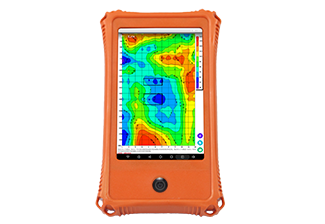
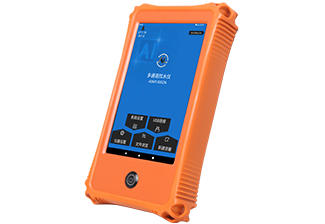
ADMT ZN All-Channel Speedy Groundwater Detector
☝☝☝ ☝☝☝ Click
1. Deep detection capability: Arid regions often require tapping into deep, pressurized water sources. Pearldrill’s advanced models can penetrate thick surface layers and detect water as deep as 500 meters or more, making sure you find those deep, high-quality sources.
2. Smart imaging tech: Old-school detectors required manual plotting on graph paper, but Pearldrill syncs with mobile devices. Data collected in the field can instantly generate 2D or 3D color images right on your phone or tablet. Even drilling teams without deep geology experience can quickly figure out where to drill.
3. Strong anti-interference ability: Arid areas often come with sandstorms, high heat, and mineral-rich soil that can mess with readings. Pearldrill uses multi-layer digital filtering to cut through the noise, so it stays accurate even in tough conditions.
Key benefits of using a water detector
1. Dramatically lower risks
Drilling a deep well costs a lot in labor, fuel, and drill bits. In arid regions, hitting a dry well could mean losing tens of thousands of dollars or more. Using a water detector boosts success rates from around 50% to over 90%.
2. Pinpoint the “sweet spot.”
The “sweet spot” is where you find the most water with the best quality. A water detector doesn’t just tell you where there’s water—it helps locate the most developed fissures, so drilling teams can choose the spot with the highest output per well, making the most of the water available.
3. Protect the environment and support sustainable use
Blind drilling often leads to over-pumping and can even cause the ground to sink. With scientific planning using a water detector, well placements can be optimized to prevent multiple wells from competing for the same water source. This helps protect fragile ecosystems in arid regions.
To sum it up:
In arid regions, well drilling isn’t just about muscle and machines anymore—it’s a game of geology and data. Water detectors make it possible to “see” the freshwater hidden deep underground. Whether it’s a government-led drought relief project or a private farm looking for irrigation, investing in a high-precision, smart tool like Pearldrill pays off big time.
Contact Us – Guangzhou International Technology
Want to Know More About How a Particular Detector Works? Contact Us Today!


